Drone Inspection in the UAE: Towers, Powerlines and Solar
How drone inspection works for transmission towers, powerlines and solar plants in the UAE, the GCAA and DCAA approvals, and how to brief a pilot.
Nilaykumar Patel
· 5 min read
In this article
Transmission towers, overhead lines and solar plants in the UAE are large, exposed and often far from the nearest road. Drones let an inspection team see every insulator, bolt and panel string without climbing, outages on every circuit or weeks of scaffolding. This guide explains what a drone inspection covers for each asset type, which approvals a UAE operator needs, and how to brief a pilot so the data comes back usable.
If you are new to drone inspection in general, start with our overview of drone inspection for solar, powerlines and wind turbines. This article focuses on the UAE.
What a drone inspection covers
A drone inspection is a planned flight, or series of flights, that captures close-range images of an asset so engineers can find defects from a screen instead of from a climb. The pilot flies; the asset owner or an engineering contractor usually interprets the results. Agree early who does which part.
Transmission and telecom towers
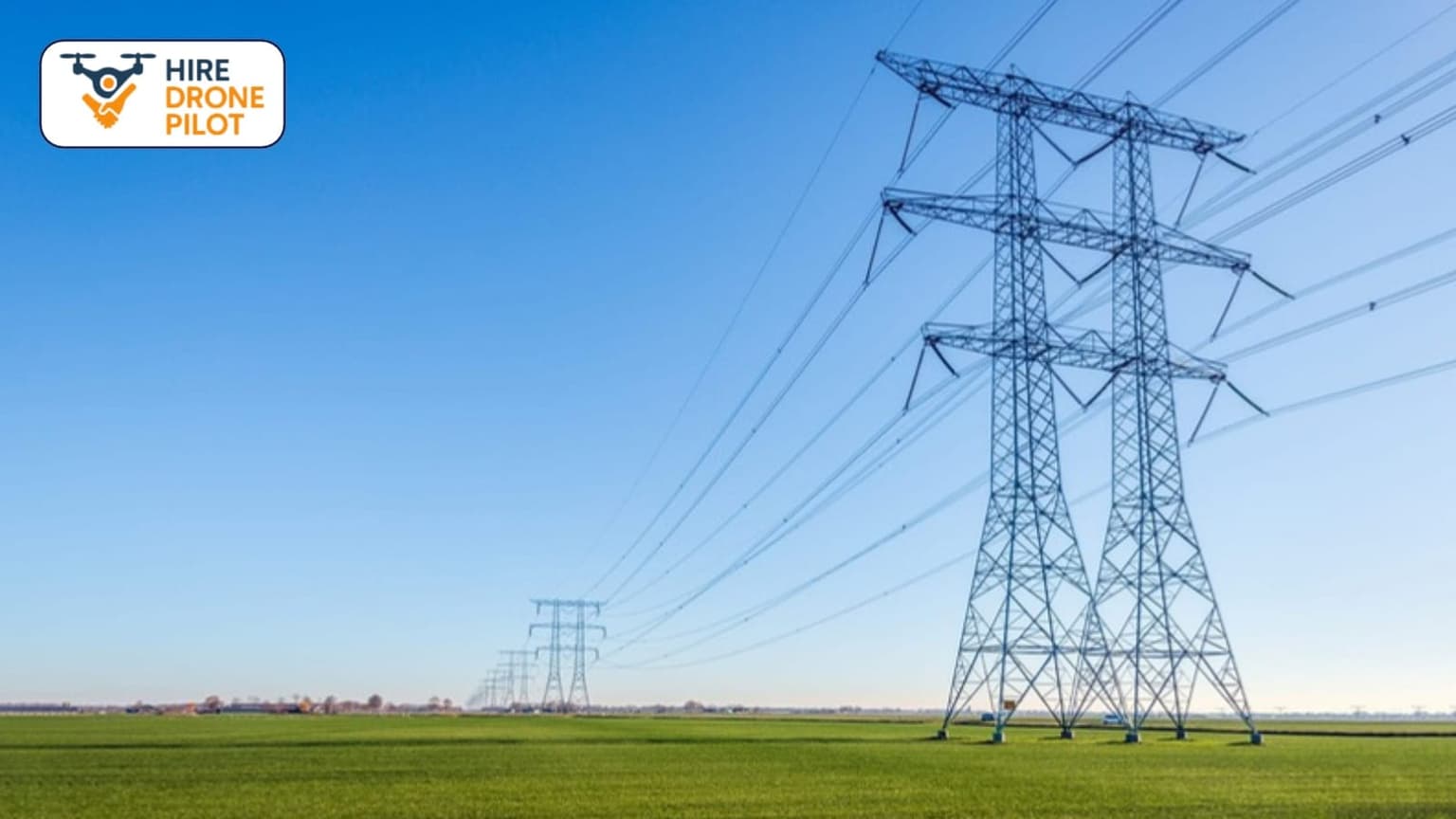
On lattice towers and monopoles, a drone with an optical zoom camera captures each face, cross-arm and attachment point. Typical findings include the following.
- corrosion on steel members, bolts and earth connections
- damaged, flashed or missing insulator discs
- loose or missing hardware and bird nests
- antenna, feeder and mount condition on telecom towers
- foundation and access-road condition around the base
Overhead powerlines
For line corridors, the work is usually split into a detailed tower-by-tower inspection and a faster corridor flight. Thermal cameras can show hot joints and connectors that look normal in visible light, which we explain in thermal imaging inspection: what ordinary cameras miss. Corridor flights record clearance from structures, sand build-up near footings and encroachment. Whether lines can stay energised during the flight is a decision for the utility's own safety rules, not the pilot's.
Solar plants
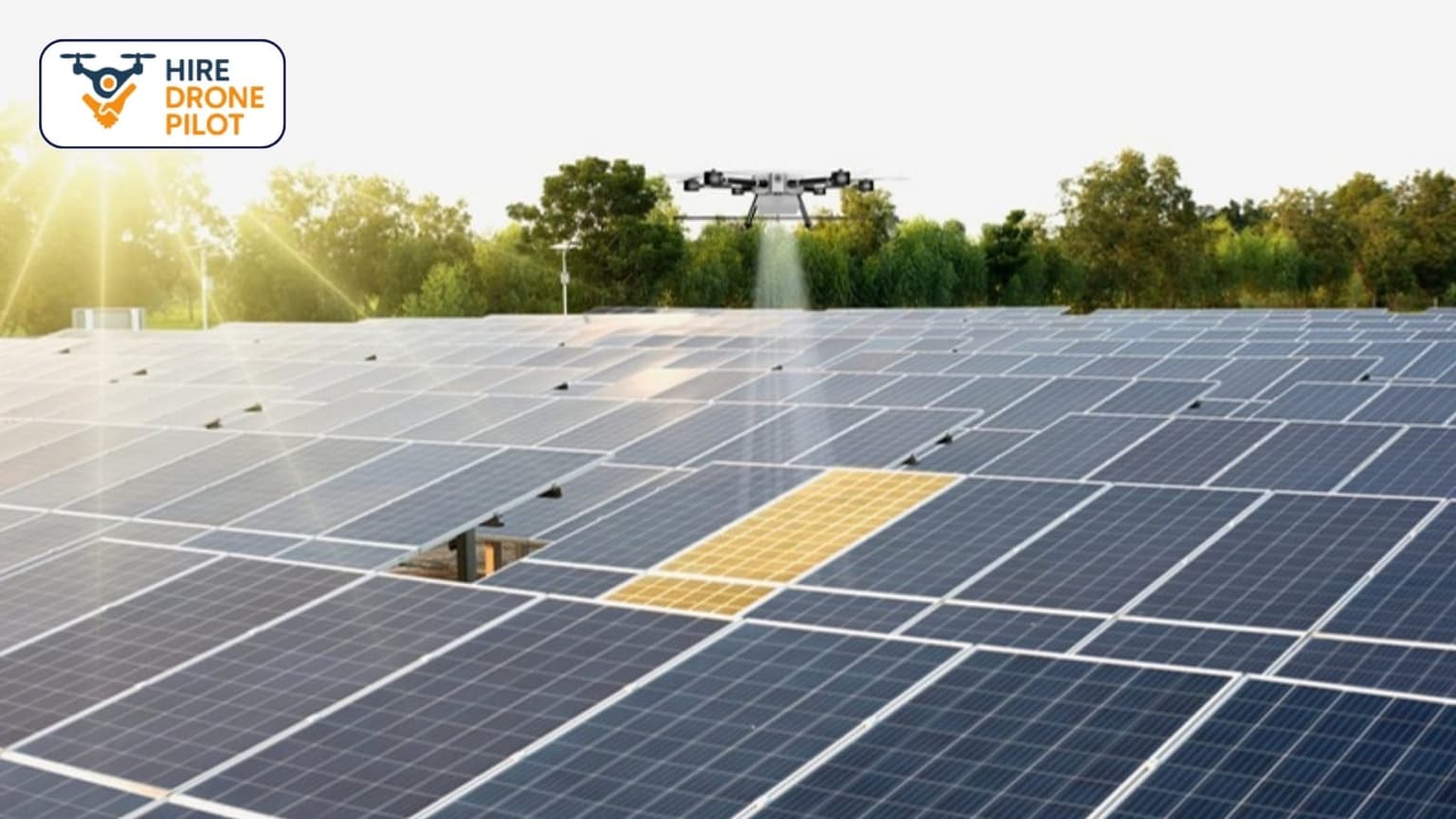
Utility-scale solar in the UAE is inspected mainly with thermal cameras. A thermal survey flown in strong, steady sunlight can show hot spots, failed bypass diodes, disconnected strings and cracked cells across a whole plant in far less time than a walk-down. Visible imagery adds soiling patterns, tracker misalignment and physical damage. Many owners ask for the results tied to a site map so each fault has a row and string reference.
What the rules require in the UAE
Commercial drone work in the UAE is regulated federally by the General Civil Aviation Authority (GCAA), and Dubai has its own regulator, the Dubai Civil Aviation Authority (DCAA). An inspection client does not apply for these approvals, but you should know what to ask for.
| Requirement | Who issues it | What it means for your job |
|---|---|---|
| Drone and user registration | GCAA | The drone and its user must be registered before flying. |
| Unmanned Aircraft Operator Authorisation (UOA) | GCAA | Companies flying for commercial purposes need it. The GCAA notes that a UOA alone does not authorise a flight. |
| Operational permission | GCAA | Needed for each flying activity in a red zone; security clearance is also needed when the flight uses cameras. |
| Permit and drone registration in Dubai | DCAA | Under Dubai Law No. 4 of 2020, no one may operate an unmanned aircraft in Dubai without a DCAA permit, and the drone must be registered with the DCAA. |
The GCAA states a service time of about 14 working days for an operational permission. Most energy sites sit near infrastructure where permission is required, so build that lead time into your schedule. Permit availability in Dubai has also been paused at times in the past, so ask your pilot for the current position before you fix dates.
Other emirates and individual site owners can add their own conditions, such as site security passes, permits to work and escorts. Ask the pilot which approvals your specific location needs, and who will apply for them.
How to brief a UAE inspection job
A clear brief is what separates a useful inspection from a folder of photos. Include these seven points.
- Asset list and locations: tower numbers or coordinates, line names, plant boundaries and access gates.
- Purpose: routine condition survey, post-storm check, warranty claim or pre-acquisition due diligence.
- Sensors: optical zoom, thermal, or both. For solar, state the minimum irradiance you want during the thermal flight.
- Deliverables: raw images, a defect register, annotated images, an orthomosaic or a written report.
- Data format: how images should be named and geotagged so they match your asset register.
- Site rules: inductions, PPE, permits to work, working hours and who escorts the crew.
- Timing: the dates that work for you and any outage windows already planned.
Summer heat matters in the UAE. Batteries, drones and crews all work best in the cooler hours, and solar thermal surveys need sun, so expect early-morning flights for some tasks and midday flights for others. Ask the pilot how they plan around heat and dust.
What to check before you hire
- The operator's GCAA authorisation, and DCAA approval for work in Dubai
- Insurance that covers commercial flying near energy infrastructure
- Recent inspection work on similar assets, with sample deliverables
- The drone and camera model, including zoom range and thermal resolution
- Who analyses the data, and whether that person has electrical or solar experience
Pricing depends on the number of structures, corridor length, sensors, travel and the depth of reporting, so there is no fixed rate. Ask the pilot for a quote that lists each item separately, and read our guide to how much it costs to hire a drone pilot for the factors behind a quote.
Hiring a drone inspection pilot in the UAE
You can browse licensed operators on our drone pilots in the United Arab Emirates page, or post your requirement with the asset type, location, sensors and deliverables. Pilots send proposals, and you compare their approvals, equipment and past work before you choose.
For projects that span several Gulf countries, our guide on how to hire a drone pilot in another country covers the checks to make across borders.
Frequently asked questions
Do I need my own permit to have my towers or solar plant inspected by drone?
Usually not. The drone operator holds the GCAA authorisation and applies for flight permissions, and in Dubai the DCAA permit. You may need to provide site access letters, permits to work or details the authority asks for, so confirm with the pilot early.
Can a drone inspect powerlines while they are energised?
Often yes, because the drone keeps a set distance from conductors while its zoom camera records the hardware. The final decision rests with the utility's safety rules and the operator's risk assessment, so agree it in writing before the flight.
How long does it take to arrange a drone inspection in the UAE?
Allow time for approvals: the GCAA states about 14 working days for an operational permission, and security clearance can be needed when the flight uses cameras. The flying itself is usually the shortest part of the job. Ask the pilot for a timeline that includes permissions and reporting.
This guide summarises published requirements as of November 2026 and is not legal advice.